It can catch you by surprise. You have lost weight and feel healthier, yet one morning your face looks more tired than you expected. Or you notice a photograph in which your cheeks seem flatter, the area beside your mouth looks heavier, or your jawline is less defined.
These changes rarely happen literally overnight. But noticing them can feel sudden. For some people, it is an emotional moment: their reflection no longer quite matches how they feel inside.
At Dermatec in Penkridge, we hear this from women and men alike. Some have lost weight through changes to diet and lifestyle; others have used GLP-1 medication as part of their weight management. Others have not lost weight at all. Their face has simply changed with age. Whatever the reason, it is reasonable to want to understand what has changed and what can be done about it.
Why can the face look different after weight loss?
When we lose weight, we may also lose some of the fat that gives the face its shape. The cheeks can appear less full, the temples more hollow and the transition between the lower eyelid and cheek more noticeable. Skin that once sat over fuller facial contours may appear looser.
This is not unique to people taking GLP-1 medication. It can happen after weight loss by any method, although more substantial or rapid change may make it easier to notice. Ageing can add to the effect: facial fat, skin and the structures beneath it all change over time.
The experience is personal. A woman may feel that her face looks drawn despite feeling pleased with her weight loss. A man may notice that his cheeks look hollow or that he has lost the definition he associated with his face. Neither has to accept a result they dislike simply because the weight loss itself was positive.
Where hyaluronic acid fillers fit
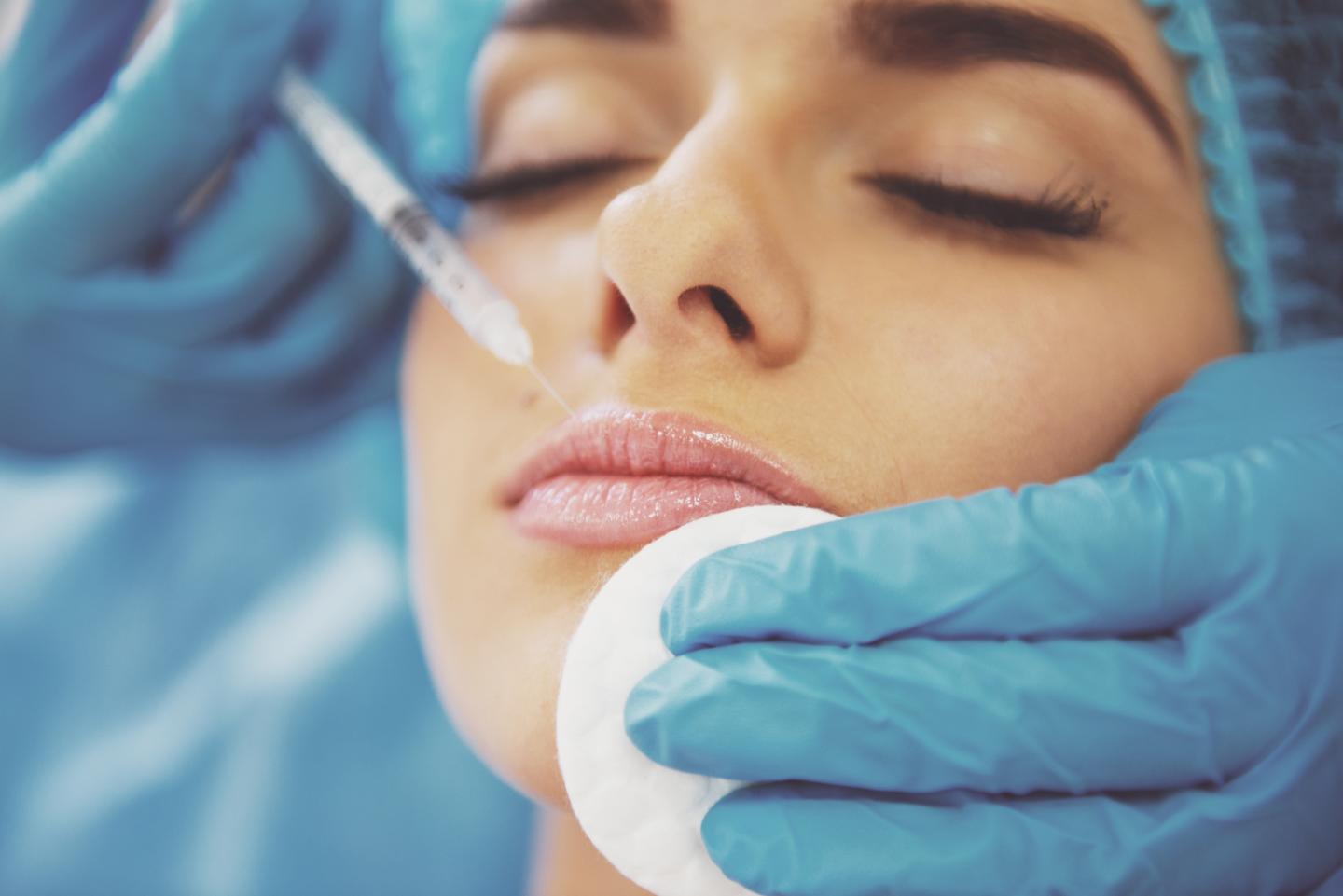
Hyaluronic acid dermal fillers have a fundamental role in aesthetic medicine because they can replace selected areas of lost volume and refine facial contours. Used thoughtfully, they can help restore support in areas such as the cheeks or improve the balance of the face without making someone look obviously “filled”.
That distinction matters. If the concern is volume loss, treating only the lines or folds that have become visible may miss the reason they appeared. A careful facial assessment looks at the wider picture: where support has changed, how the features work together and which areas should be left alone. Clinical consensus supports assessing volume loss as part of a whole-face treatment plan.
For the right person, the effect can feel transformational. The goal might be to look less drawn, regain a familiar contour or feel that the face in the mirror looks more like their own again. Transformational does not have to mean detectable. Often, the most satisfying change is one that friends cannot identify; they simply think you look well.
Natural looking is a clinical decision
Natural looking filler is about more than using a small amount. It involves choosing where volume is needed, selecting an appropriate product, respecting the individual’s anatomy and knowing when to stop.
A face does not need to be made perfectly smooth to look good. Expressions, character and features that are distinctly yours are worth preserving. At Dermatec, our focus is on restoring balance where it has been lost, rather than giving patients a standardised look.
That applies equally to men and women, although their goals and facial structure may differ. We will ask what has changed for you, what you miss about your previous appearance and what result would still feel comfortable and recognisable.
Fillers are useful, but they cannot do everything
Volume replacement is not the same as tightening loose skin. If skin laxity is the main concern, adding more filler may not give the result you want and can look unnatural. Some people will benefit from a different treatment, a combination of approaches or an honest discussion about the limits of non-surgical care.
Timing also matters after weight loss. If your weight is still changing, we need to take that into account when planning treatment. Your consultation is the place to discuss your health history, goals, likely benefits, alternatives, costs and risks before deciding whether filler is appropriate.
Dermal filler is a medical procedure. Bruising and swelling can occur, and rare vascular complications can be serious. Experience and a clear plan for recognising and managing complications are essential.
Come in as yourself
You do not need to know which filler you want or how many syringes you might need. You can simply tell us, “I’ve lost weight and my face looks different,” or “I don’t feel as tired as I look.” That is enough to begin a useful conversation.
Our team has performed thousands of aesthetic treatments, and our approach is grounded in careful assessment and results that respect the individual. If hyaluronic acid filler is right for you, we will explain how it could help restore volume or contour while keeping you looking like yourself. If another approach would serve you better, we will say so.
Considering dermal fillers after weight loss, or noticing facial volume loss with age? Book a consultation at Dermatec, Lodge 55, Dunston Business Village, Penkridge. Let’s look at what has changed and what would help you feel at home in your face again.